Regent Roofing
White cottage with a new red clay tiled roof
Clay & Concrete Tiles

Tile Roofs in Worcestershire

Worn, porous or slipping tiles stripped off and your roof re-tiled in clay or concrete, chosen to suit its pitch and the look of your house, with every course fixed securely.

Get a FREE Quote

Fill in the form and we'll get back to you shortly.

Step 1 of 2

Tile Roofs

Tiled Roof Replacement

Roof tiles wear in different ways. Concrete tiles lose their surface and turn porous, holding water and growing moss, while older clay tiles can flake as frost works into them. Once nails corrode and tiles start to slide out of line, fixing them one at a time stops making sense and the whole slope is better re-tiled.

Re-tiling starts by stripping the old tiles and battens back to the rafters. Breathable membrane goes down first, then treated battens are spaced to the gauge the chosen tile needs, and the tiles are nailed or clipped course by course. Ridges, hips and verges are then fixed mechanically, so the edges of the roof hold without mortar.

Choosing the tile comes first. Plain tiles, interlocking concrete and clay pantiles each suit a different pitch and weight, and a heavier tile can mean the roof timbers need checking. If your home sits in a conservation area, matching the existing style may be required, so these points are settled before the price is put together.
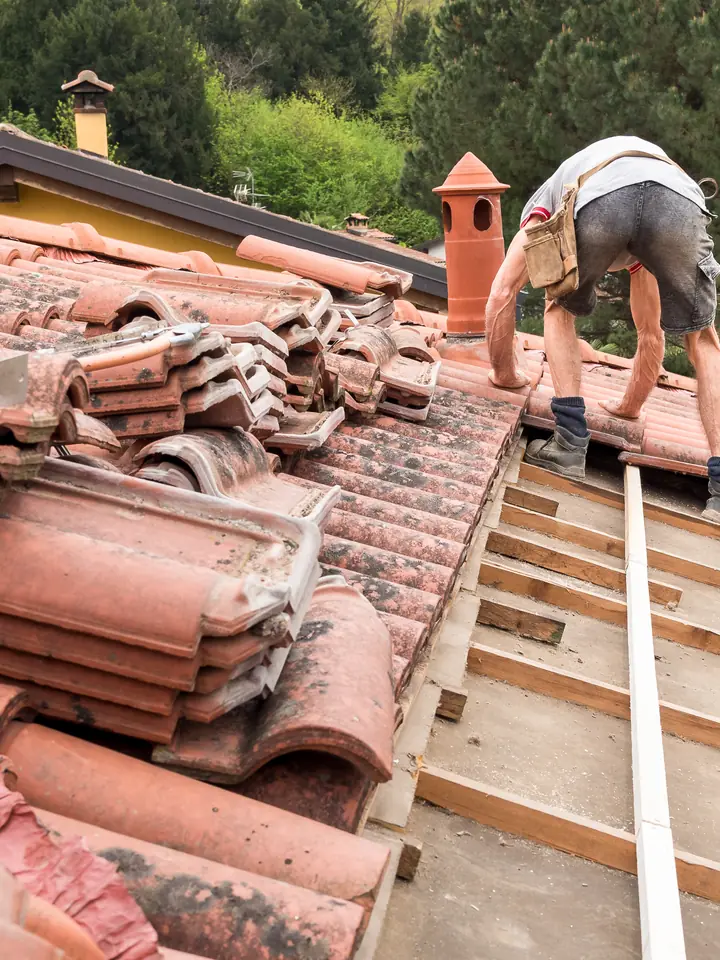
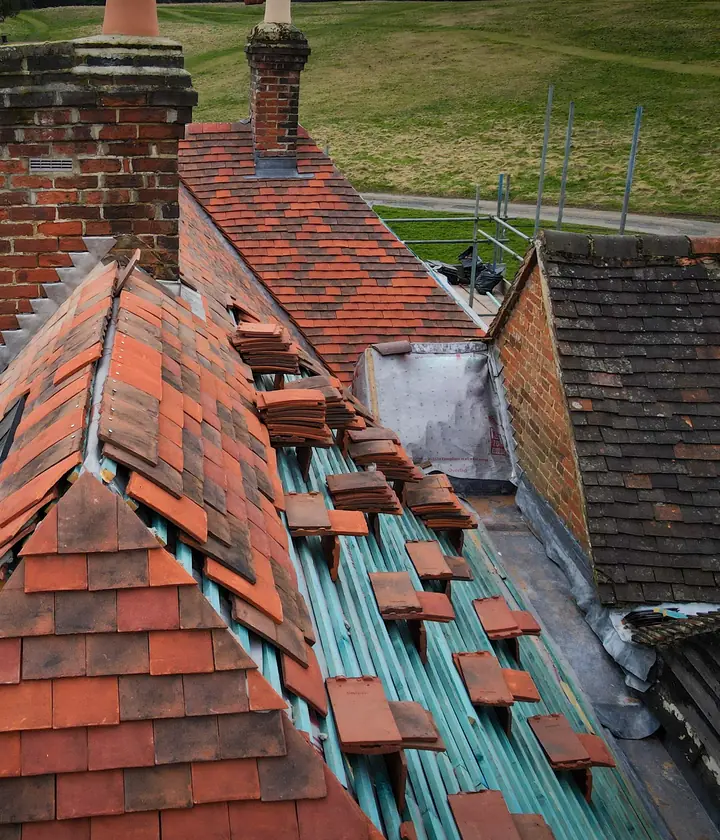
Roofer working along the battens of a clay tiled roof
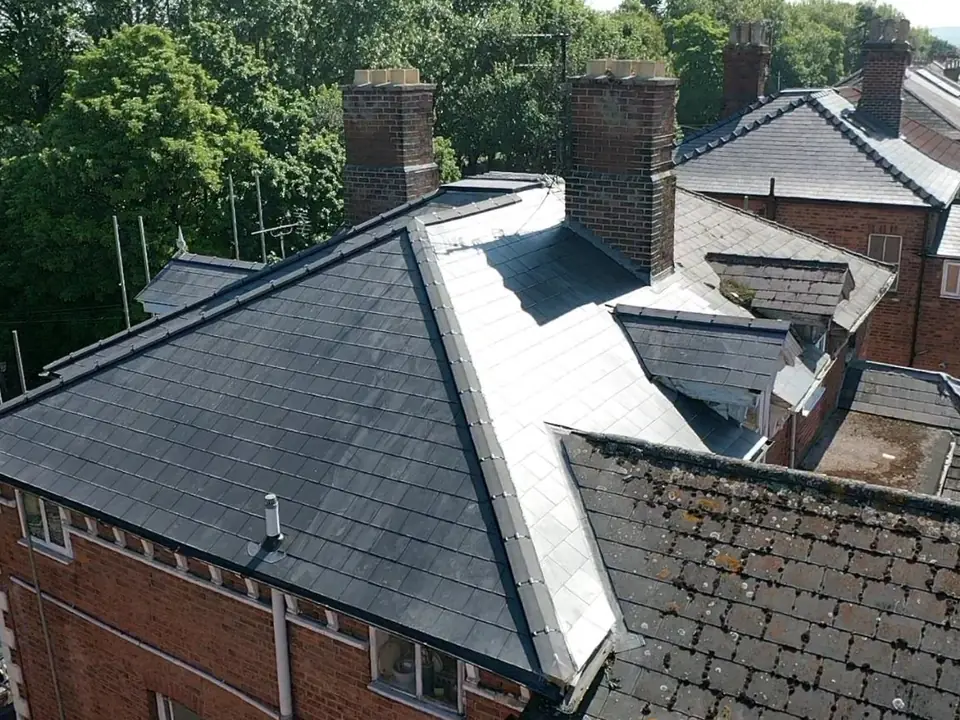
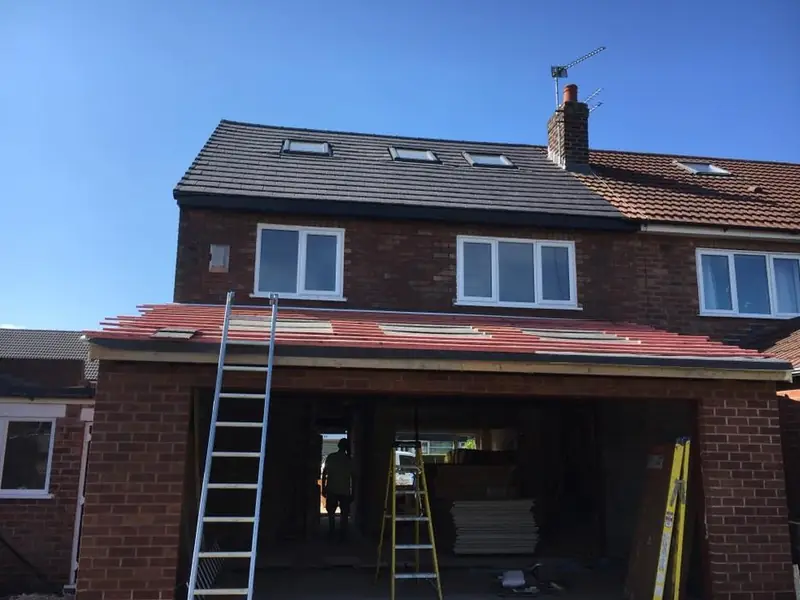
Re-tiled roof on a semi-detached house
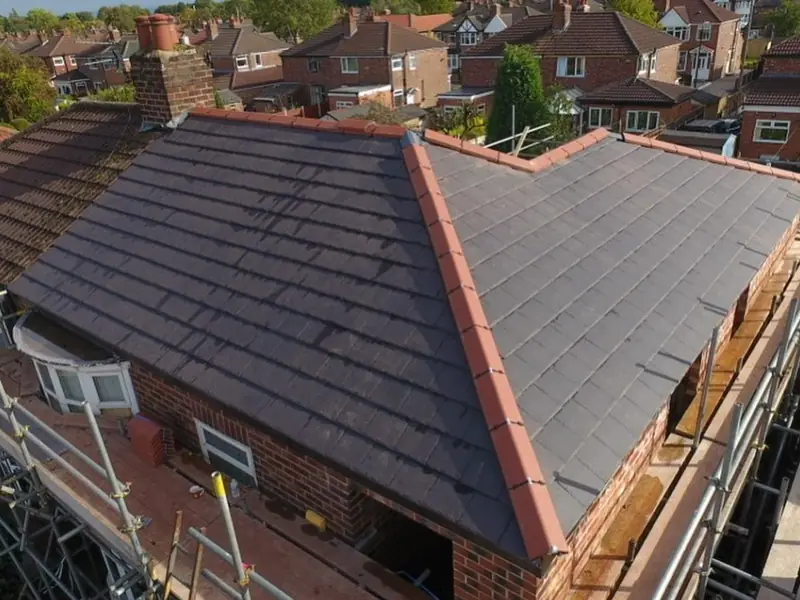
New tiled bungalow roof seen from above
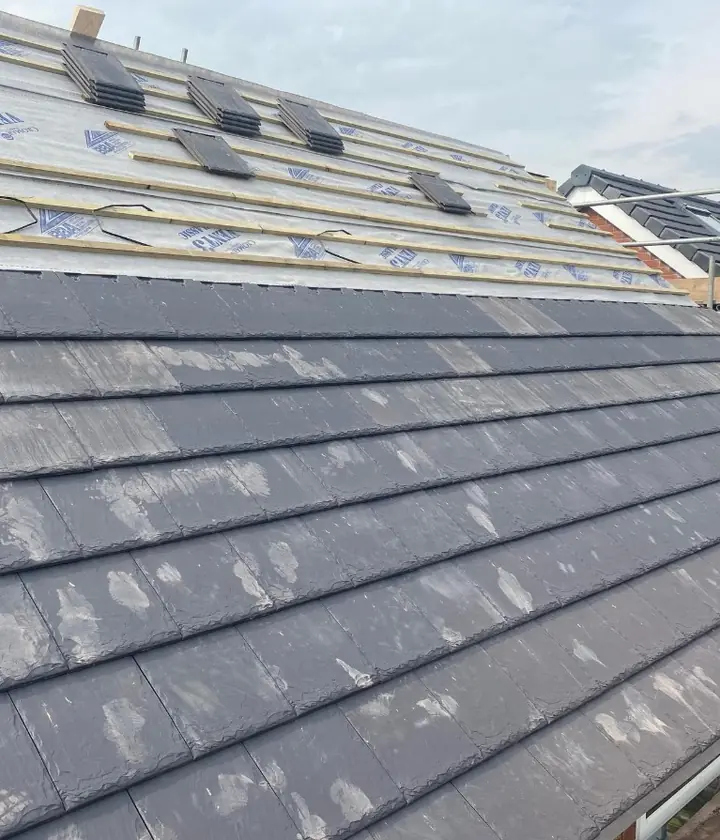
Finished tiled roof with new ridge tiles
Tile Roof Work

What a Re-Tile Covers

Each tiled roof is rebuilt from the rafters outwards, with its edges fixed to current methods.

  • Old tiles and battens stripped off
  • Rafters checked before re-tiling
  • Breathable membrane, lapped and fixed
  • Treated battens set to the tile gauge
  • Clay or concrete tiles nailed and clipped
  • Ridge and hip tiles dry fixed
  • Verges closed with a dry verge system
  • Old tiles and waste taken away
Why Choose Us

Why Re-Tile with Regent

The right tile depends on your roof, so the advice starts with its pitch, its timbers and the houses around it.
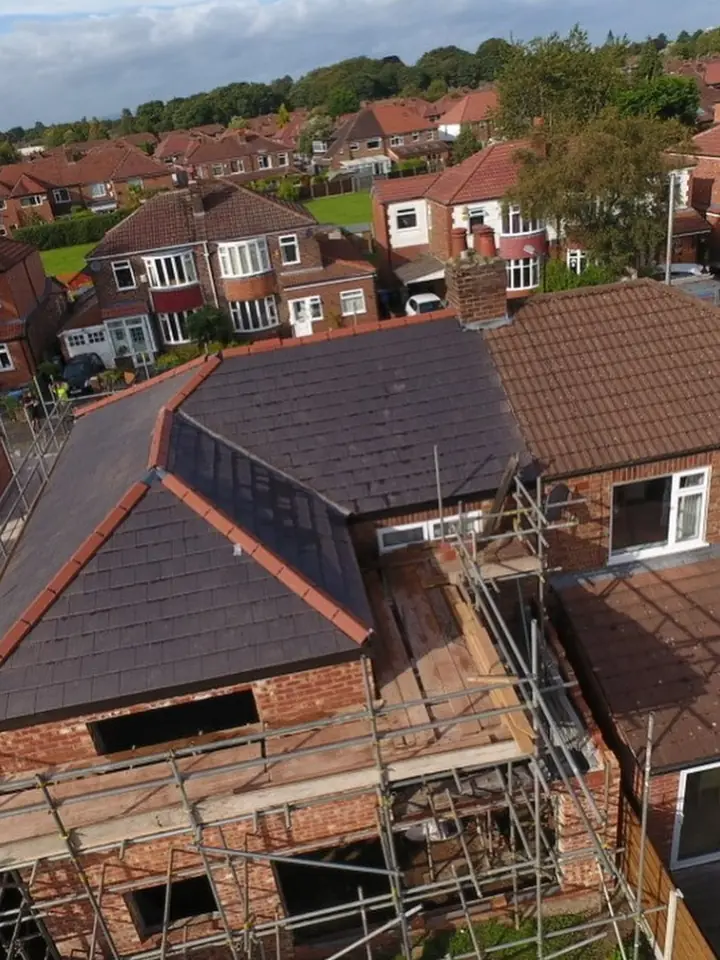
Tiled roof going on behind a full scaffold

Tile Chosen for the Roof

Pitch, weight and the style of nearby houses are weighed up first, so the tile you pick suits the roof it goes on.

Fixed Course by Course

Each tile is nailed or clipped as its fixing method requires, so the slopes stay put in high winds.

Edges Without Mortar

Ridges, hips and verges are dry fixed, so there is no mortar bedding left to crack and wash out.

One Point of Contact

The owner prices the re-tile and does the work, so the person you met is the one on your roof.

Ready to Book a Roofer?

Ring Regent Roofing, or leave your details for a quote.

Swipe to See More

Thinking of Re-Tiling?

Ring now, or leave a few details and a quote will follow.

Related Services

Other Services to Explore

Swipe to See More

How It Works

Re-Tiling Step by Step

These are the stages of a re-tile, starting with a close look at the tiles you have now.

01

Call with Details

Ring 0800 151 2875, describe what the tiles are doing and give your postcode to arrange a visit.

02

Look at the Roof

Tiles, timbers and pitch are checked from outside and in the loft to decide which tile will work.

03

Price & Tile Choice

You are given a price with the tile options that suit your roof, and the reasons for each one.

04

Strip & Re-Tile

The worn covering is stripped, membrane and battens are renewed, then fresh tiles go on course by course.

05

Final Check

We review the completed work with you and confirm everything has been done as agreed.

Swipe to See More

FAQs

Tiled Roof Questions

Should I Choose Clay or Concrete Roof Tiles?

Concrete tiles are generally the more economical choice and come in large interlocking formats. Clay tiles hold their colour well and weather in a way many people prefer on older houses. Roof pitch and the houses nearby usually settle the choice.

What Is the Difference Between Plain & Interlocking Tiles?

Plain tiles are small, and each covers two courses beneath it, giving a traditional look on steeper roofs. Interlocking tiles are larger and lock together at the sides, so they can be laid at lower pitches with fewer tiles overall.

Can My Roof Take Heavier Tiles?

Not always. Swapping lightweight tiles for heavier clay or concrete adds load to the rafters and purlins, so the timbers are checked first. If they would need strengthening, that is explained before any decision is made.

Can New Tiles Match the Rest of My Street?

In most cases a close match can be found in colour, profile and size. For a listed building or a home in a conservation area, the local planning office may need to agree the tile, and that is checked before work begins.

Why Are My Concrete Tiles Covered in Moss?

As concrete tiles age, their surface wears and becomes rougher and more absorbent, so moss and lichen take hold. Moss on its own does not always mean the roof is failing, but heavy growth alongside slipping or cracked tiles usually points to a roof near the end of its life.

Do Roof Tiles Have to Be Nailed or Clipped?

Current fixing standards call for tiles to be mechanically fixed rather than simply hung on battens. The number of nails and clips depends on the tile, the roof pitch and how exposed the house is, and every new tiled roof is fixed to suit those conditions.
Contact

Can't Find the Answer You're Looking For?

Get in touch with us today.

Call 0800 151 2875Get a FREE Quote