

Guttering in Worcestershire
Leaking joints, sagging runs and overflowing gutters replaced with new uPVC guttering and downpipes, set to an even fall so rain is taken clear of your brickwork.
Get a FREE Quote
Fill in the form and we'll get back to you shortly.
- uPVC Guttering
- Downpipes Replaced
- Even Fall to Outlets
- Owner-Run Business
uPVC Guttering Replacement
Every time it rains, the gutters along your eaves collect the water running off the roof and send it down the downpipes into the drains. When a gutter leaks or overflows, that water spills down the brickwork instead, staining the walls, soaking into the mortar and leaving damp patches inside the house.
Gutters usually fail at the joints, where rubber seals perish and start to drip, or along runs that have sagged because a bracket has worked loose. Leaves and moss build up at the outlets too, and a gutter that has lost its slope holds standing water that spills over the front edge in a heavy shower.
New guttering replaces the old runs, brackets, outlets and downpipes together, rather than piecing new parts onto old ones. Each length is fixed with brackets spaced to support it and set to a steady fall towards the outlet, and the downpipes are clipped to the wall and connected into the existing drainage.
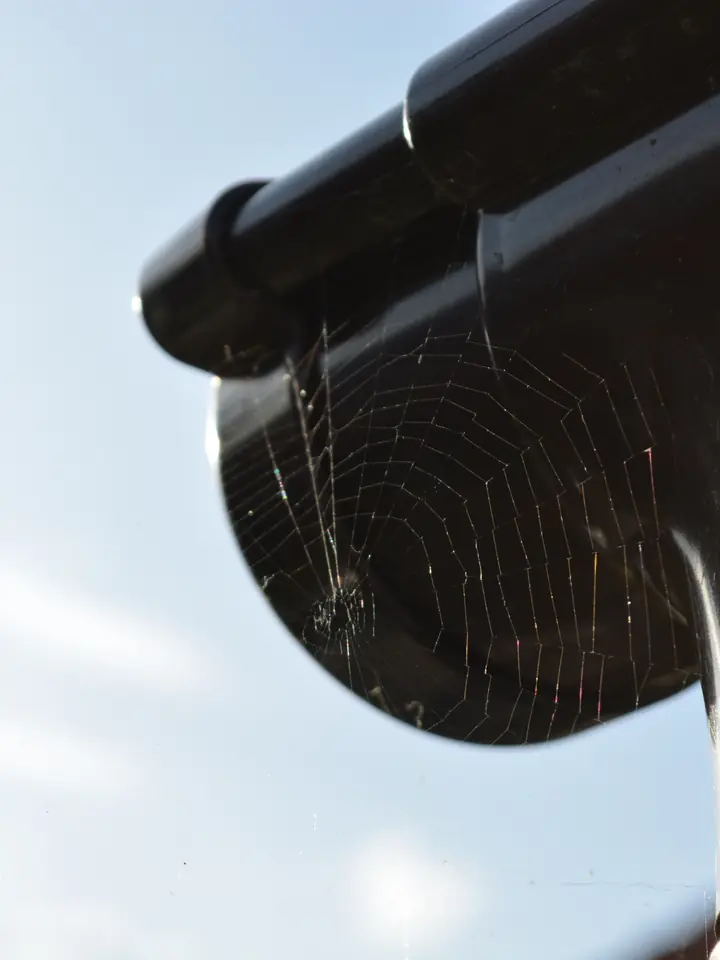
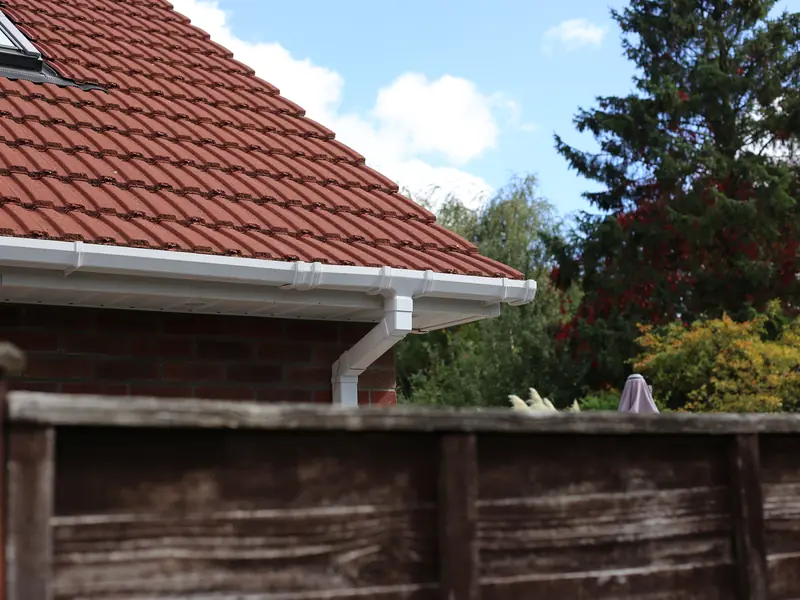
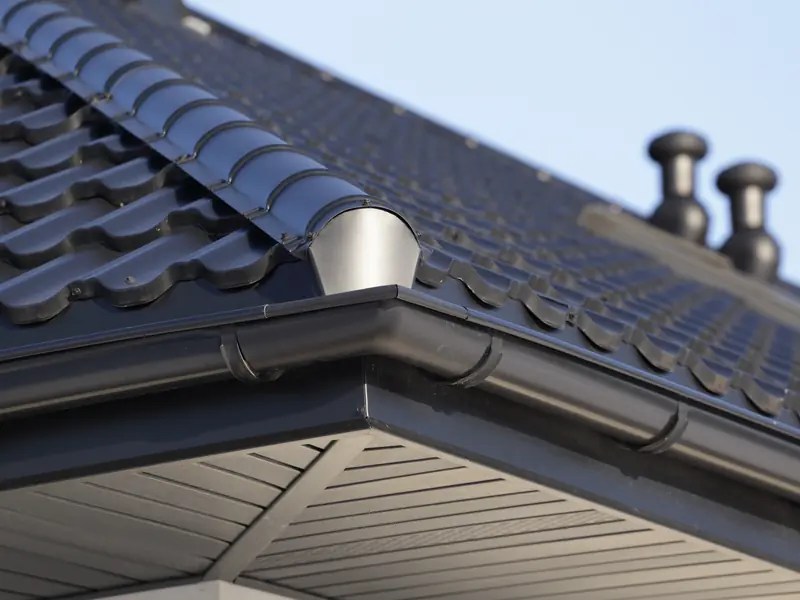
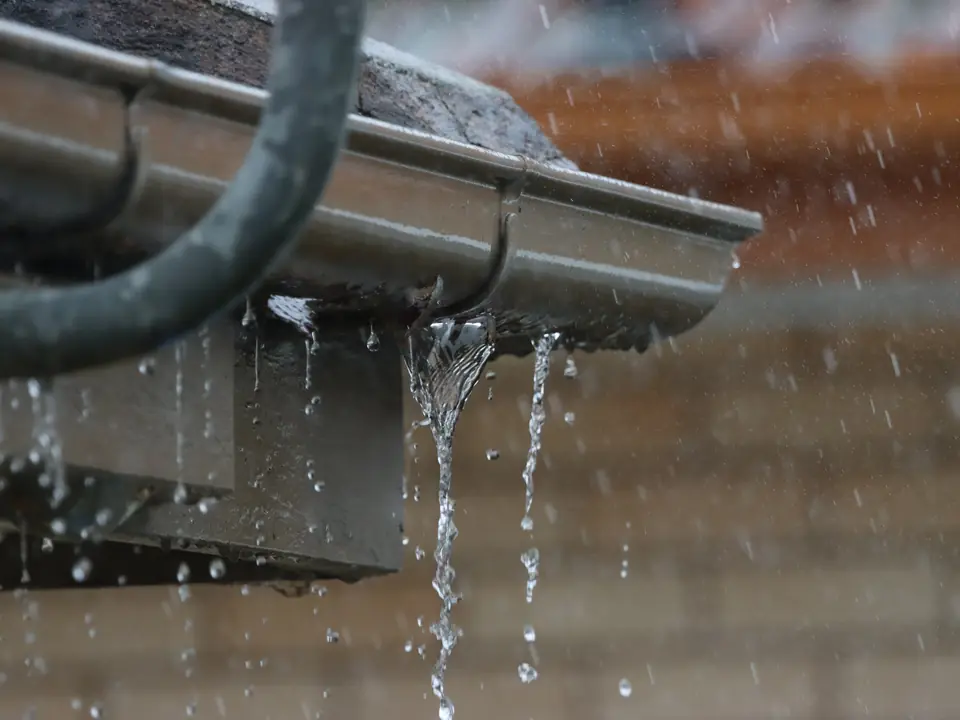
Guttering Work Carried Out
From a single leaking joint to a full new run of gutters and downpipes.
- Old gutters and downpipes taken down
- New uPVC gutter lengths and brackets
- Running outlets and stop ends
- Corner angles and union joints
- Downpipes, shoes and offset bends
- Gutters set to an even fall
- Leaking joints resealed or replaced
- Blocked outlets and downpipes cleared
When Your Gutters Need Attention
Gutter problems are easiest to spot during or just after rain. These are the faults most homeowners notice first.
Water Over the Edge
Rain spilling over the lip during a shower usually means a blocked outlet or a run that has lost its fall.
Dripping Joints
Drips or a steady trickle from the joins between lengths mean the seals inside have perished and need replacing.
Sagging Runs
Where a run droops between its brackets, water pools in the low spot, and that extra load pulls it lower still.
Damp on the Walls
Green streaks, stained brickwork or damp patches inside below the eaves usually mean water is spilling down the wall.
Swipe to See More
Why Choose Regent for Guttering
Gutters only work when they slope the right way and stay firmly fixed, so each run is set out before it goes up.
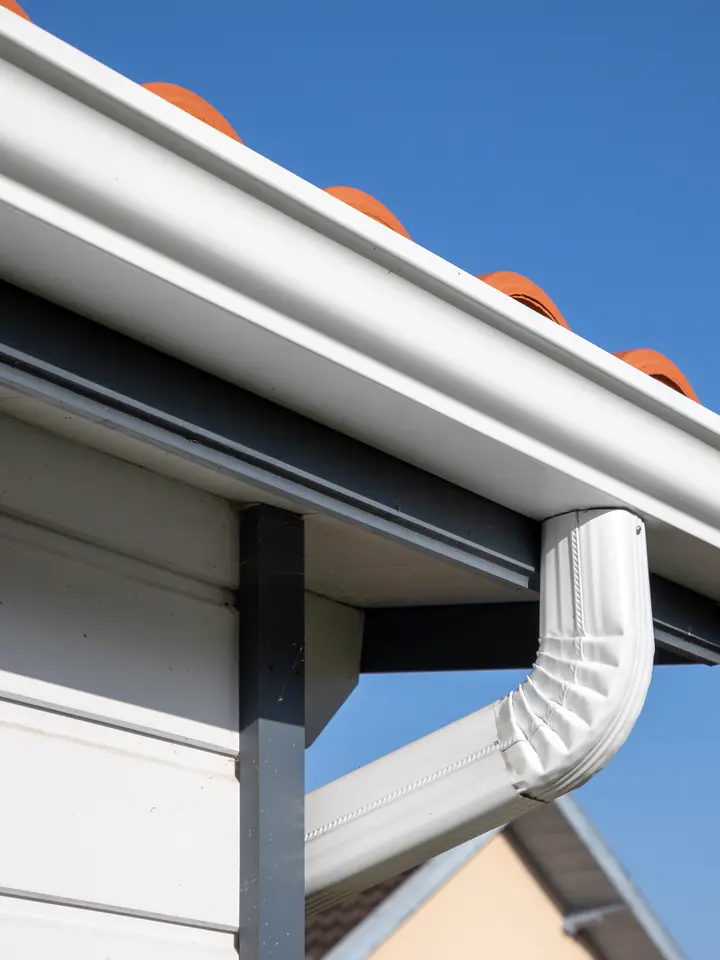
Fitted to a Steady Fall
A line is set along the eaves before the brackets go up, so rain runs to the outlets rather than pooling.
Swipe to See More
Gutters Leaking or Overflowing?
Ring now, or leave a few details and a quote will follow.
More Roofline Work
Swipe to See More
How New Guttering Is Fitted
The main stages of a guttering job, from the first look at the problem to checking the new system together.
Swipe to See More
Guttering Questions
Why Is Water Dripping From the Joints in My Gutter?
Can You Repair Just Part of My Guttering?
What Does the Fall of a Gutter Mean?
What Causes Damp on the Wall Below a Gutter?
Are New Downpipes Fitted with New Gutters?
Can Blocked Downpipes Be Cleared?
Can't Find the Answer You're Looking For?
Get in touch with us today.